Tropical Jam
An indie lemonade beverage brand built for people who want something bold, tropical, and different from what's already on the shelf.
Services
#
Product Strategy
#
0-to-1
#
Product Marketing
#
B2C
#
D2C
#
Brand Strategy
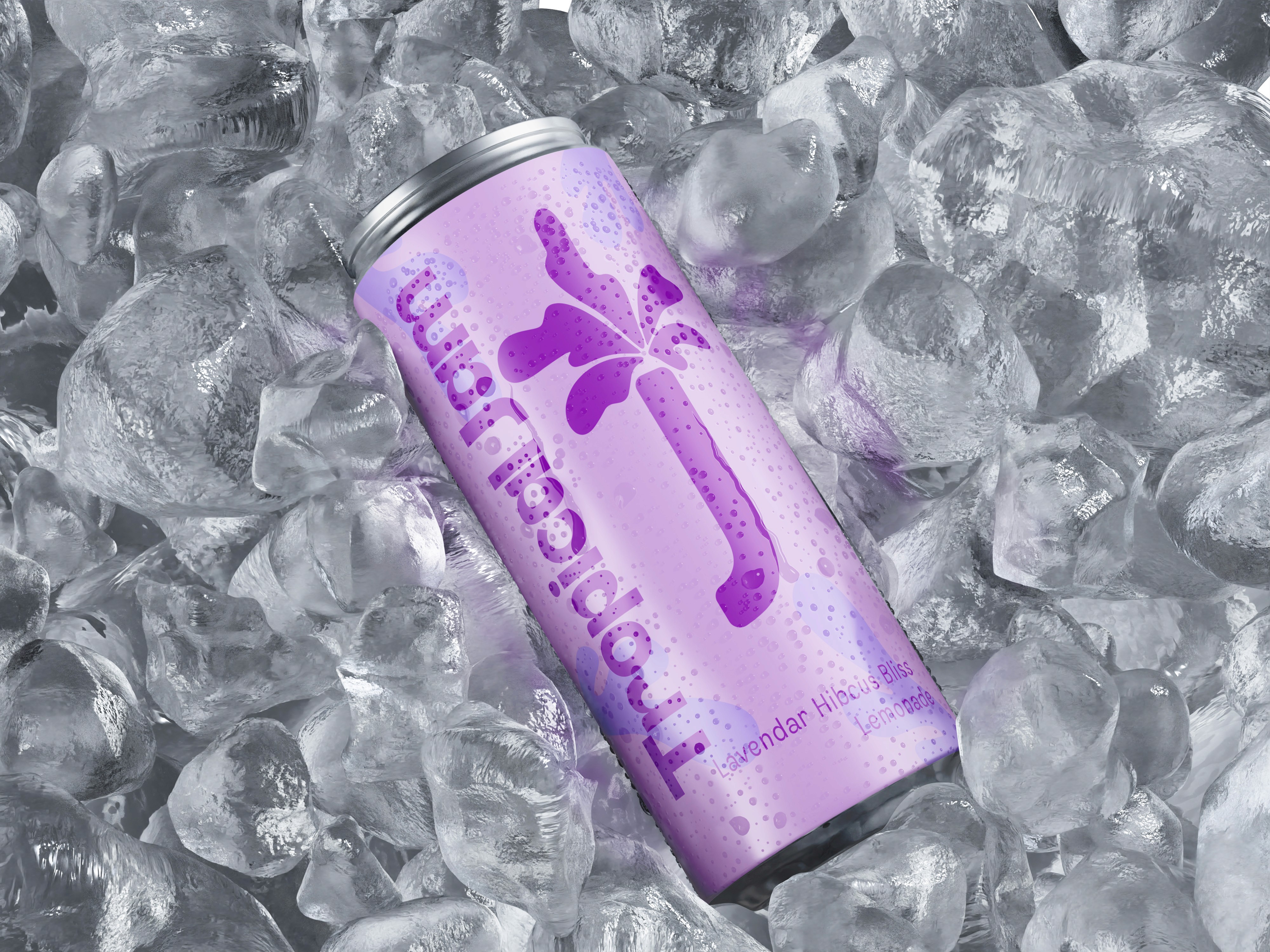
Tropical Jam, a lemonade beverage brand that launched with zero brand infrastructure, no positioning, no digital presence, and no go-to-market foundation. I built the brand from the ground up: packaging, website, social, email, and merch, backed entirely by research.
20+ consumer interviews · 5 research insights · 0 to full brand launch.
Opportunity
Tropical Jam is an early-stage D2C beverage brand startup that knows what its product is and that it could sell but doesn't know how to make it cohesive and more scalable. With no positioning, competitive reading, strategy, or plan to launch the rebrand.
Diagnosis
In order to understand where the brand currently is and where it can go, I ran a quantitative survey and focus group to find out how the current audience and the perspective future audience actually buy beverages and other preferences that would make them choose a small indie brand over what's already on shelves.
01 — Packaging drives perceived quality: 61% of respondents preferred aluminum cans. The material wasn't just functional; it signaled premium before the product was even tasted.
02 — Customers aren't delivery-first. Purchase preferences are split evenly between in-store and online at 48% each, with only 4% favoring delivery. A delivery-first strategy would have been the wrong bet.
03 — Merch builds brand beyond the product. 50% said branded merchandise would increase their interest in supporting a brand. For an emerging brand, merch isn't a bonus; it's a loyalty tool.
04 — Social is discovery; email is retention. 52% preferred keeping up with indie brands via social media and 35% via email newsletters. Two different jobs, two different channels.
The research pointed to one clear direction: shelf-ready packaging, omnichannel presence, and a brand world strong enough to live beyond the isle. Tropical Jam didn't need a delivery app. It needed a brand world that people wanted to be part of. A community.
Competitors
Tropical Jam sits in a crowded indie beverage space, competing against brands that each stake out a different emotional territory rather than just a different flavor:
Me and the Bees Lemonade leads with cause—bright, playful, eco-conscious glass-bottle packaging tied to a mission (helping bees). Buying it means joining something bigger than a drink purchase.
Ellis Island Sweet Tea leads with escape—a single hibiscus-rosehip-mint product in chic, resort-style packaging that sells "Caribbean vacation in a bottle." Calm and luxury over playfulness.
Harold's Lemonade leads with nostalgia—simple, timeless packaging; a laid-back and silly tone; and many flavors that feel like a classic you've always known.
Calypso's Lemonade leads with community—bold, animated glass-bottle packaging built for shared moments, the drink that's always at a summer cookout, with unexpected flavor combos as its hook.
Tropical Jam took a different approach: not an emotional territory but a daily experience. The flavors themselves were built to be interesting and inviting, combinations you wouldn't expect, while the merch extended that experience beyond the drink itself, giving people something wearable to carry the brand into everyday life rather than just a once-in-a-while purchase. Where the other four brands ask you to feel something, Tropical Jam asks you to live with it and make it a part of your daily life.
Solution
Took Tropical Jam from zero brand infrastructure to a fully launched B2C consumer brand across the web, social media, and packaging. 15+ user interviews and focus groups. One sole product function. Zero to live.
15+ consumer interviews · 5 research insights · 0 to full brand launch
Everything from packaging to socials. All research-backed.
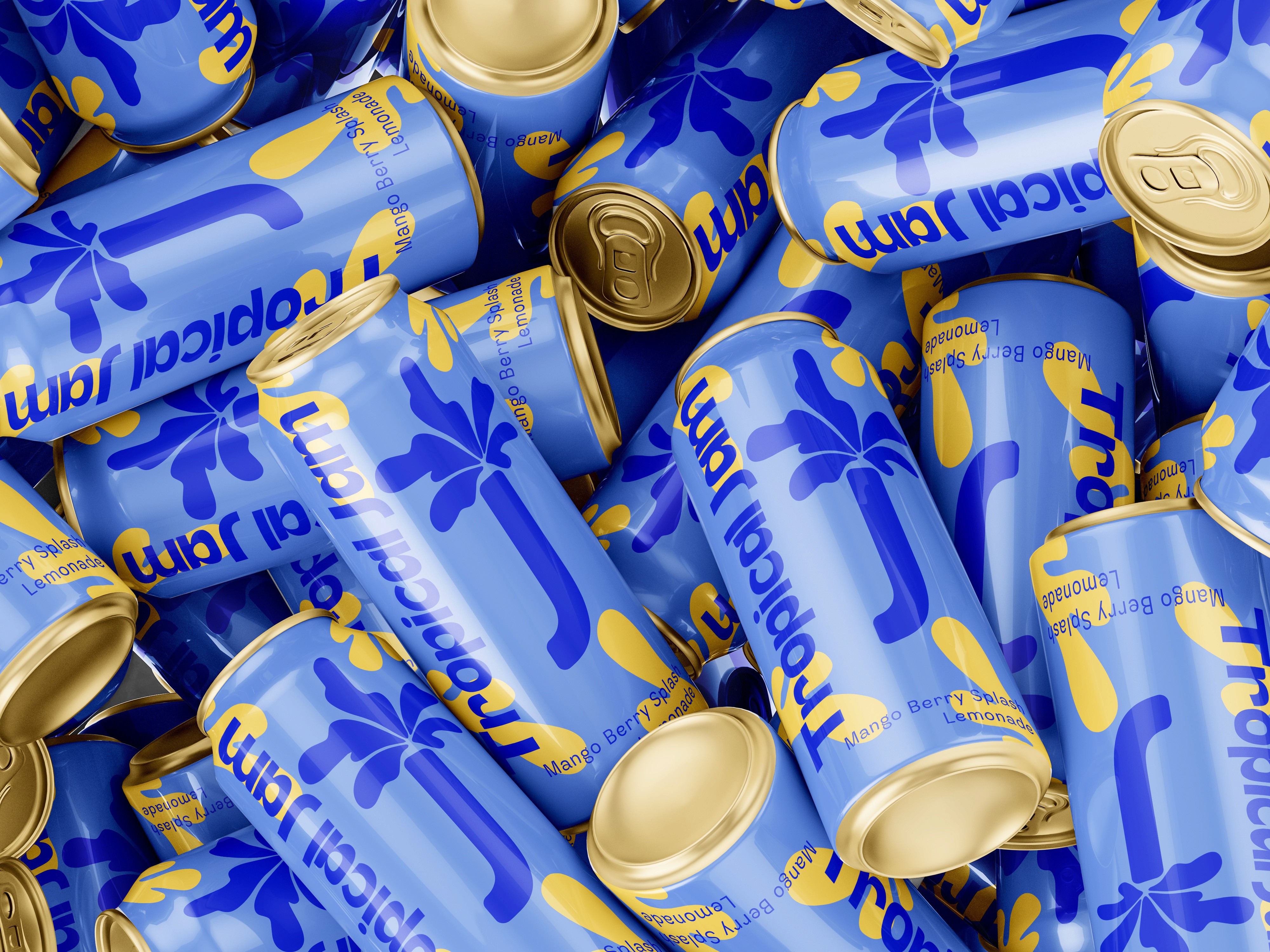
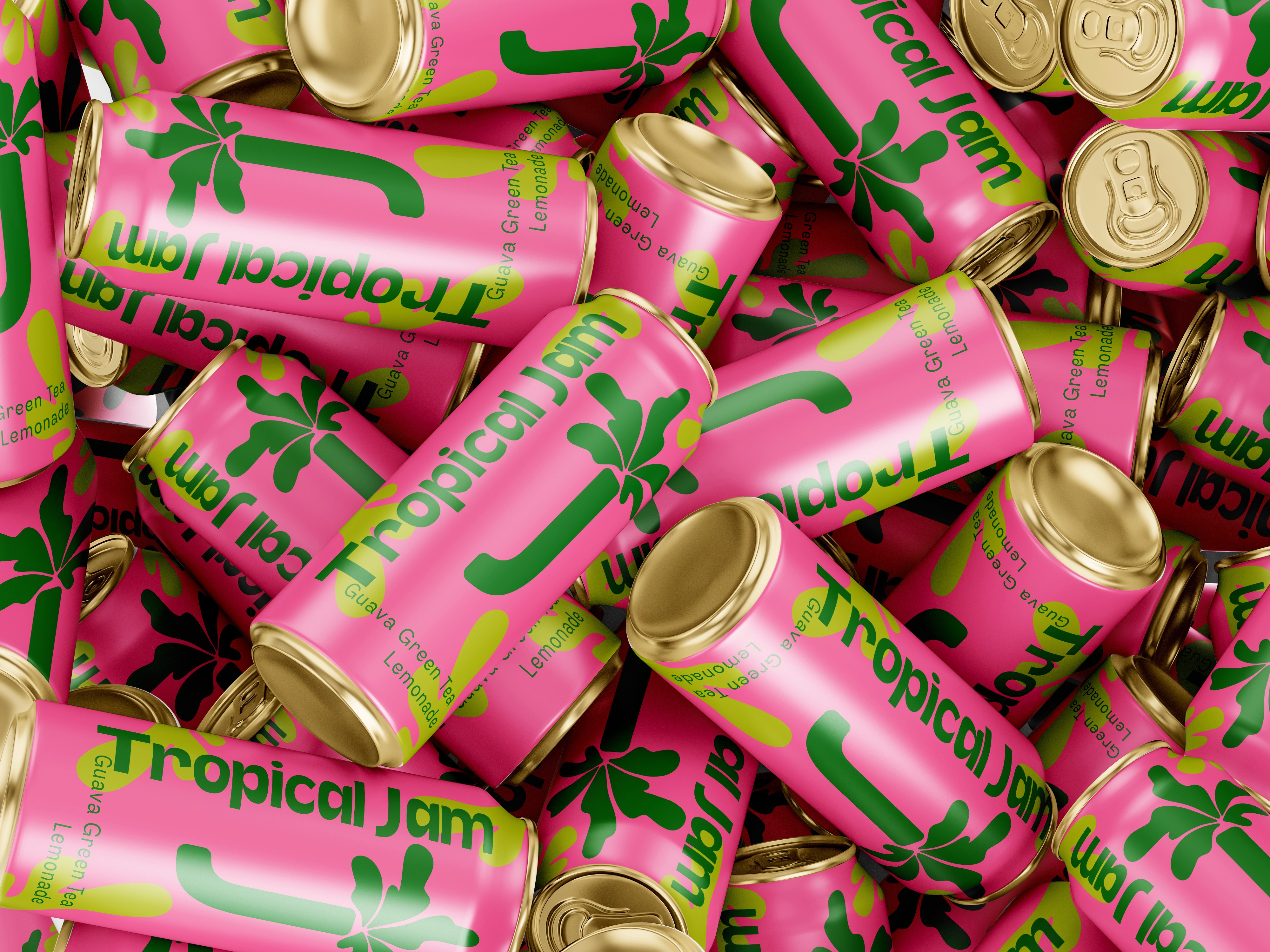
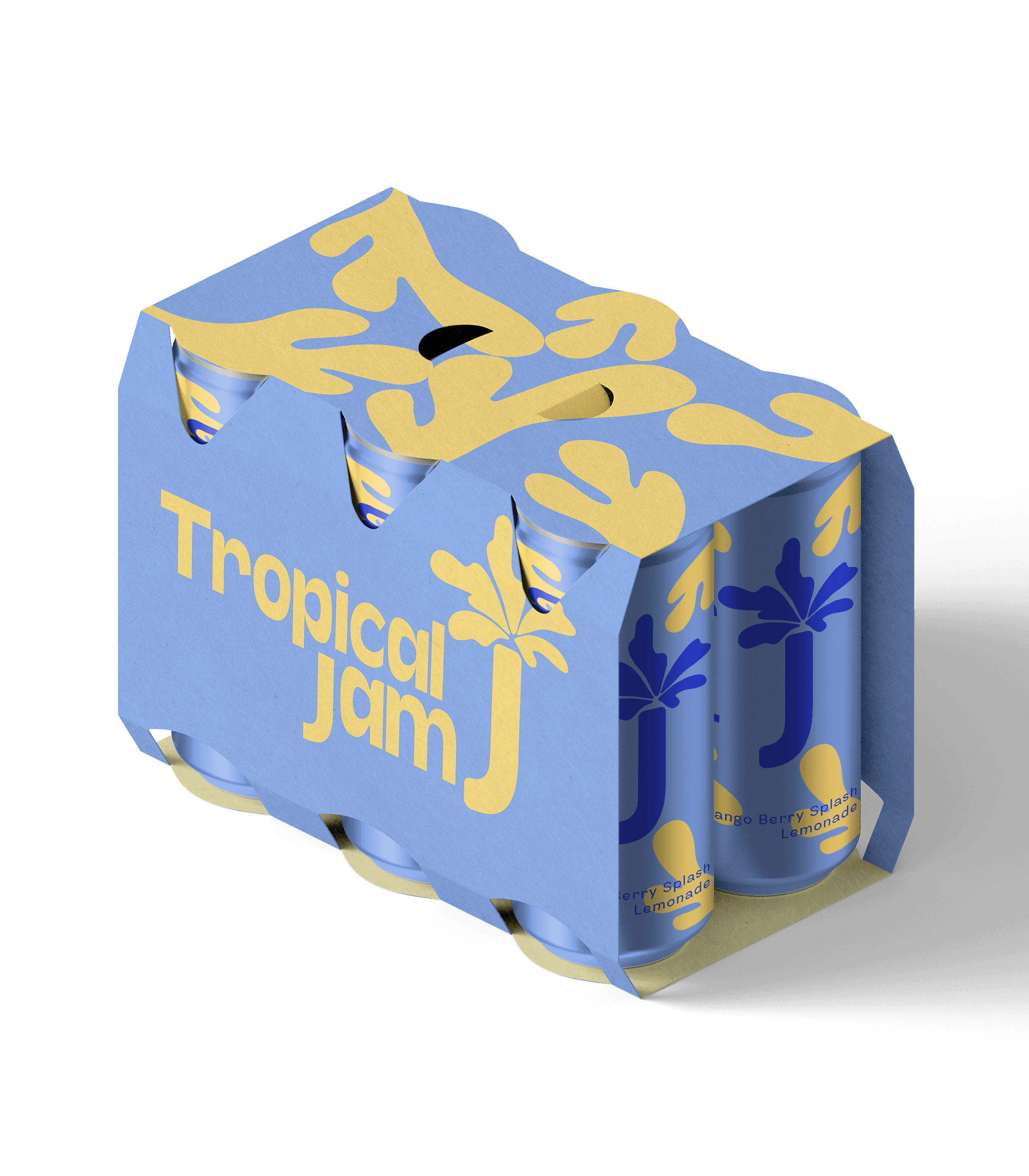
Aluminum packaging across multiple colorways informed by consumer preference.
A full website with e-commerce built for casual browsers, not power users.
Social content strategy prioritizing discovery and personality.
Email newsletter framework for product updates and exclusive drops.
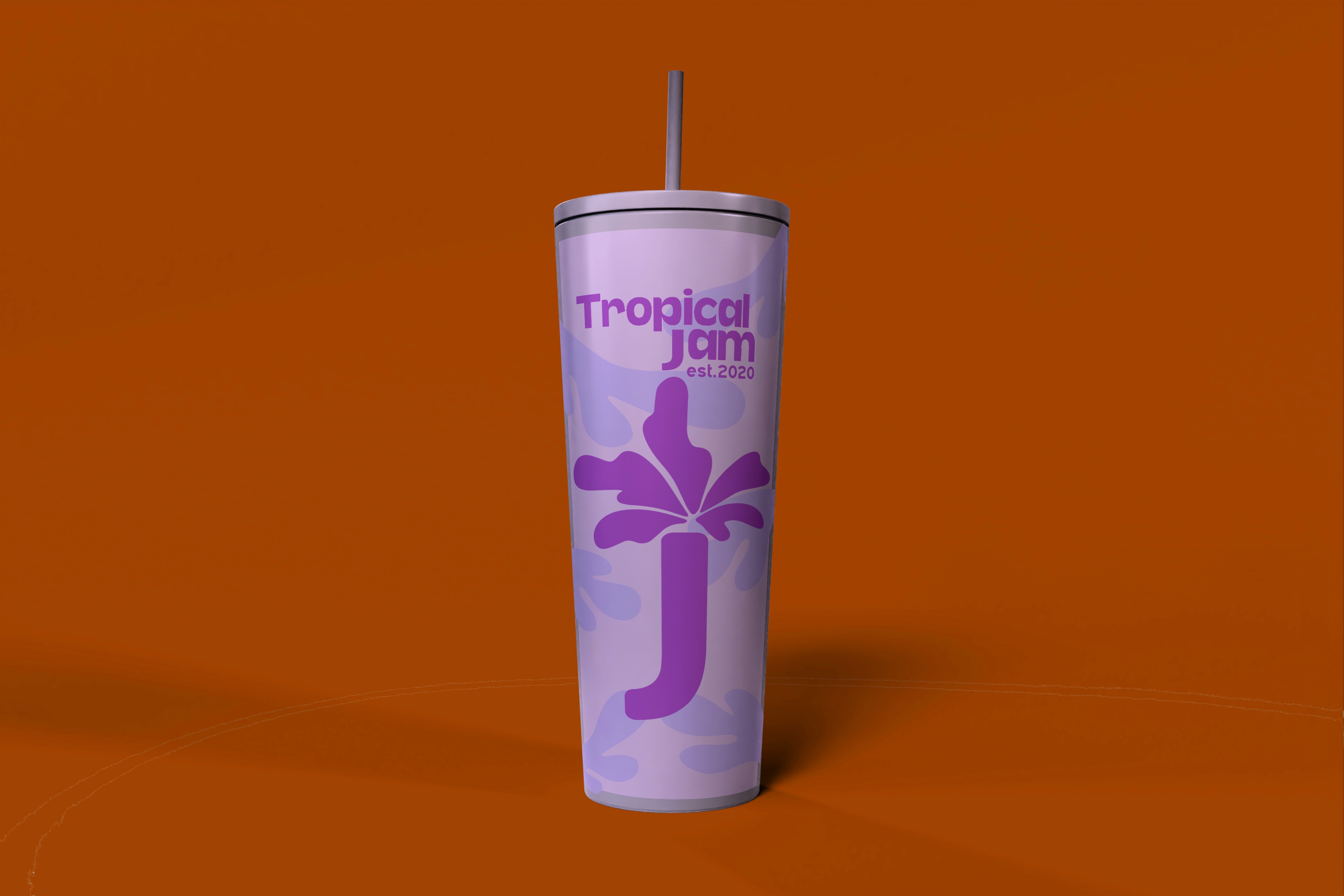
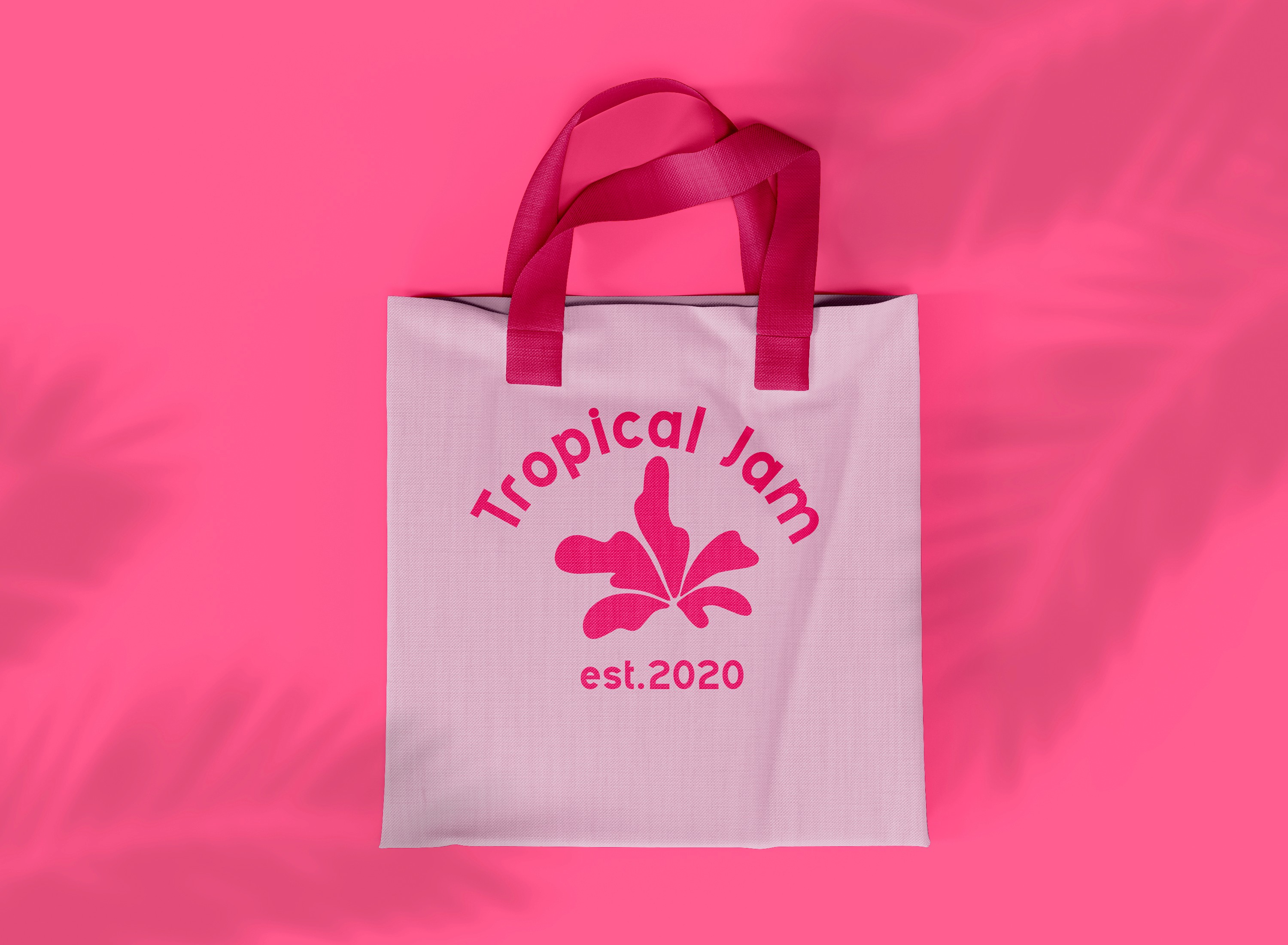
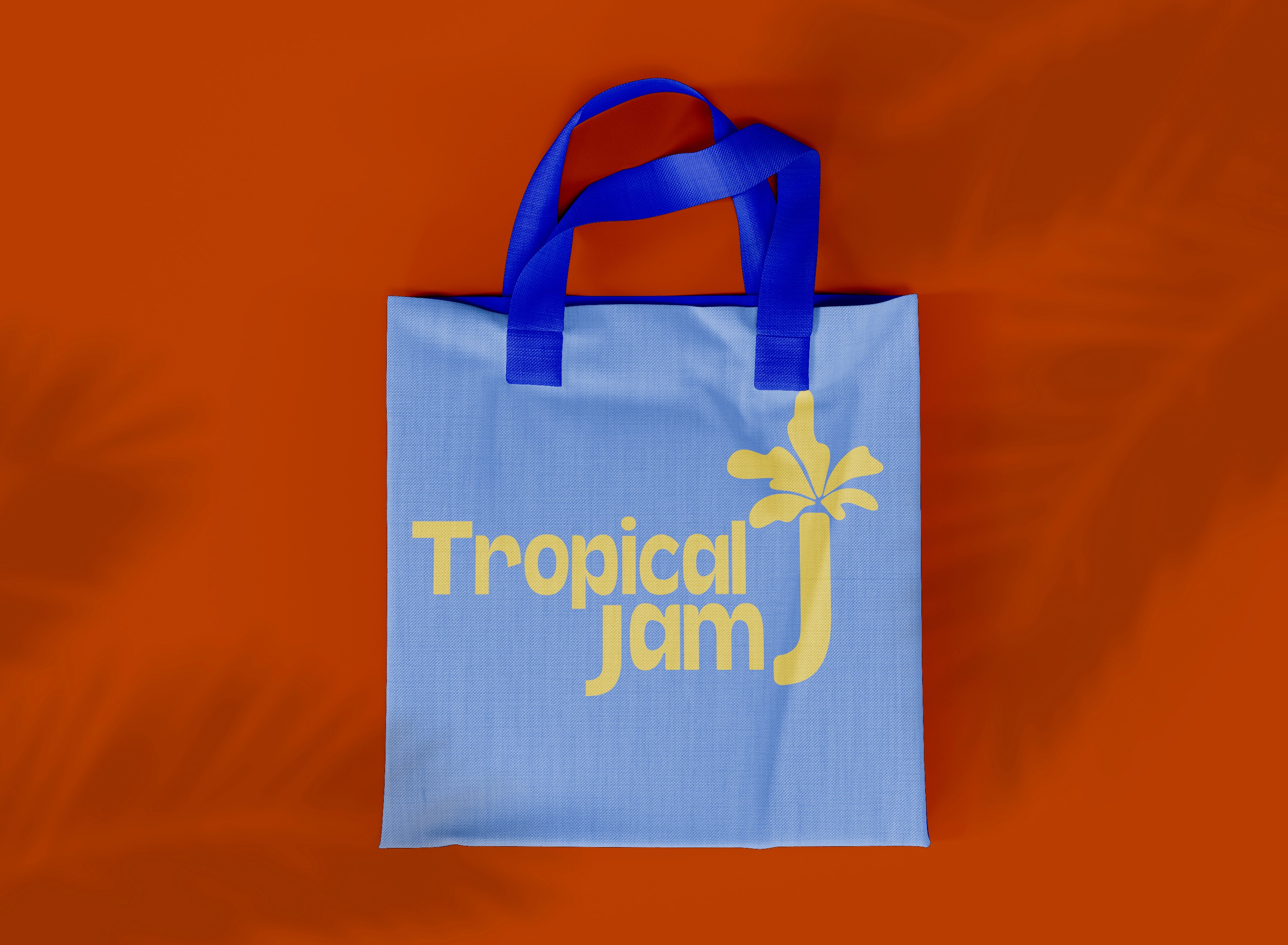
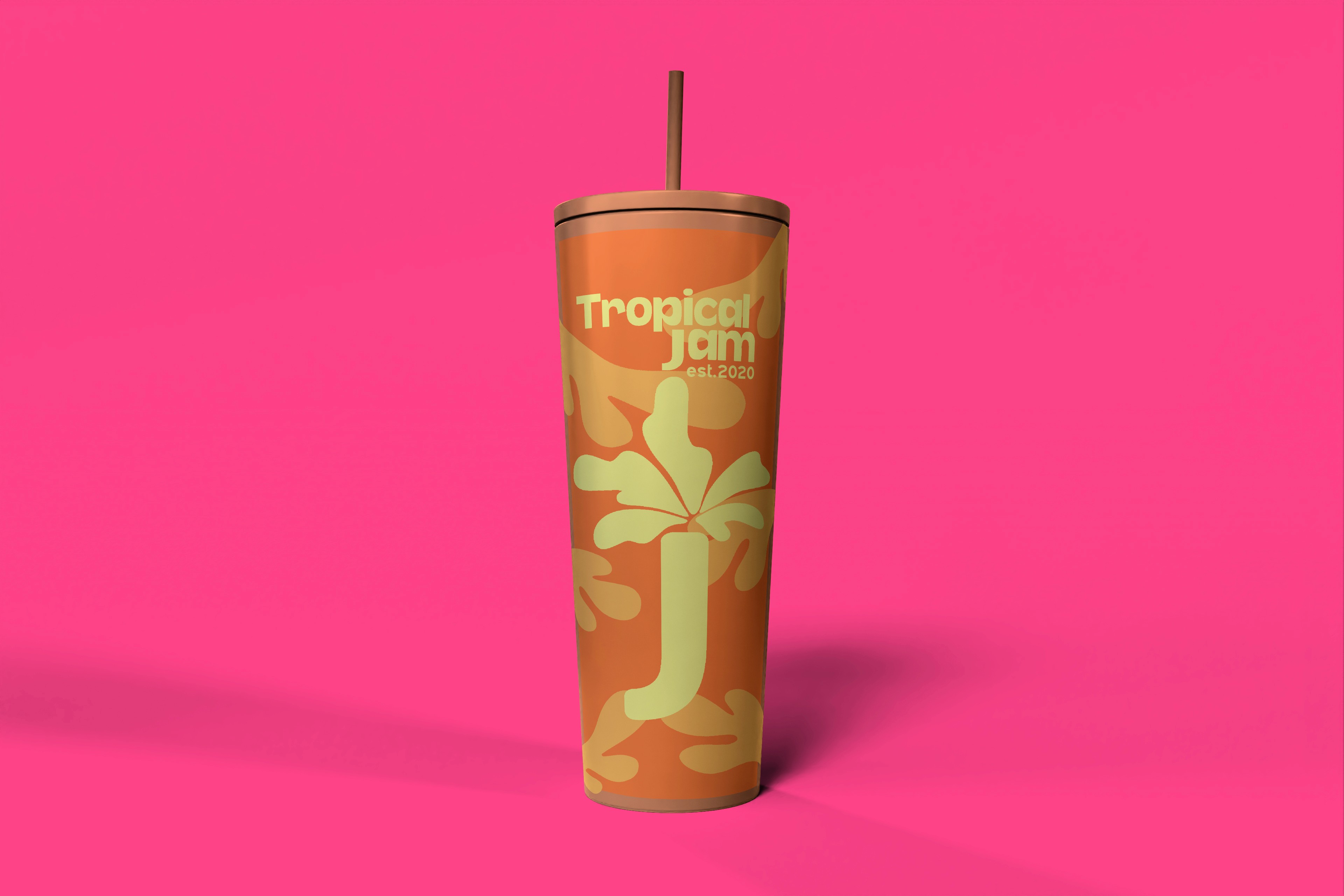
Branded merch: totes, tumblers, and mugs as brand extension tools built specifically to extend Tropical Jam from a drink into a daily, wearable experience.
GTM
Launch ran across a coordinated one-week window, sequenced deliberately rather than dropped all at once:
Packaging & Product: aluminum cans, repackaged based directly on consumer preference from the survey data.
Digital Presence: A website and Instagram were launched together, giving the brand a place to buy, a place to be discovered, and a foundation to build loyalty, trust, and community.
Marketing: an email newsletter to existing subscribers announcing the launch, paired with a 5% off discount code to drive first purchases of the rebrand.
In-Person Vendor Pop-Up: direct sales of the drink alongside merch, reflecting the founder's belief in the value of face-to-face selling.
The underlying goal, for both the founder and the brand, was accessibility, as many entry points as possible, so no single channel had to carry the whole launch on its own.
Success Metrics
Packaging/Product: Sell-through rate on the aluminum cans, especially by flavor and colorway, to validate which combinations actually converted preference into purchase.
Website: Traffic, conversion rate, and average order value, the core signals for whether the "built for casual browsers, not power users" approach actually reduced friction.
Social Media: Follower growth and engagement rate on Instagram, since social was designed to carry discovery and personality.
Email: Open rate and click-through to the site or pop-up to measure whether the newsletter was doing its job of driving traffic on launch day.
Vendor Pop-Up: In-person sales volume and repeat-customer rate, the most direct signal of whether the experience-first positioning (interesting flavors, daily-wearable merch) actually landed with real people, face-to-face.
Merch: Attach rate, the percentage of customers who bought merch alongside or after a drink purchase, to test whether it functioned as a real loyalty extension, not just an add-on.